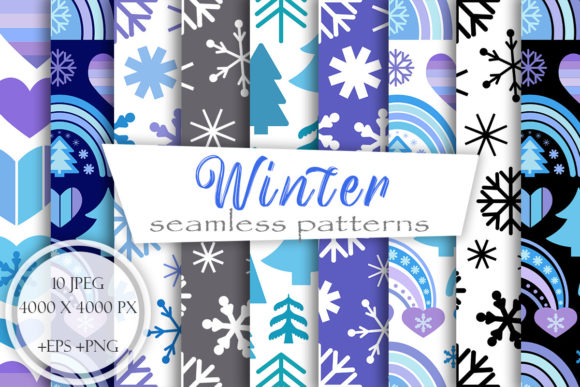
Winter Christmas Prints: A Designer's Real-World Review
As someone who spends more time staring at stitch maps than most people spend on their phones, I approach every new machine embroidery design with a mix of excitement and skepticism. We've all been there: you buy a beautiful digital embroidery file, load it up, and realize halfway through that the density is too high for the fabric or the details are lost in a sea of thread. That is why I took a close look at Winter Christmas Prints before committing it to any client projects. This isn't just a casual browse; this is an evaluation of how these patterns hold up when the needle hits the cloth.
First Impressions: Mood and Visual Personality
When I first opened the preview files for Winter Christmas Prints, the immediate takeaway was the balance between whimsy and structure. Many holiday designs lean too hard into clutter, trying to cram snowflakes, reindeer, and text into a single hoop. These patterns, however, feel breathable. The layout suggests a thoughtful arrangement of elements that allows the stitch density to remain manageable. There is a distinct "hand-drawn" quality to the lines, which translates beautifully into satin stitch and fill stitch combinations without looking overly digital or rigid.
The theme leans heavily into cozy, traditional winter aesthetics. Whether you are aiming for a rustic cabin vibe or a clean, modern boutique look, the visual personality here is versatile. It doesn't scream "cheap craft fair item"; instead, it whispers "thoughtful handmade product." For designers, this is crucial because the perceived value of your finished product often hinges on the sophistication of the underlying art.
Putting It to the Test: Real-Life Scenarios
To truly gauge the utility of Winter Christmas Prints, I mentally walked through a recent request I received for a set of custom holiday tote bags. A local boutique wanted branded tote bag designs for their December gift wrap station. Here is how I see these patterns performing in that specific context.
For a canvas tote, the heavier weight of the fabric can handle a moderate amount of stitching. The patterns in this collection appear robust enough to stand out against the texture of canvas without getting lost. If I were executing this, I would likely pair the design with a metallic gold or silver thread to elevate the holiday embroidery feel. The result would be a professional-looking asset that enhances the shop's branding rather than detracting from it.
Moving beyond bags, consider sweatshirt embroidery. This is a massive market for Etsy sellers and small shop owners during Q4. The softer curves found in Winter Christmas Prints would drape well over the chest or sleeve of a fleece hoodie. Unlike dense block letters that can make a garment stiff and uncomfortable, these patterns seem to offer enough negative space to maintain the fabric's natural stretch and softness. This is a key selling point for customers who want festive gear they can actually wear comfortably.
For those focusing on baby embroidery, the gentler lines are a significant advantage. Babies have sensitive skin, and bulky stitching can be irritating. If the design utilizes running stitch outlines effectively, it could be perfect for onesies or nursery blankets. However, this requires careful attention to the back of the hoop to ensure no loose threads or jagged jumps are present.
Technical Considerations and Fabric Challenges
While the aesthetic appeal is strong, a responsible designer must address the technical hurdles. Not every fabric plays nice with every pattern. Here is where you need to exercise caution with Winter Christmas Prints.
- Fabric Texture: On highly textured fabrics like waffle weave or thick wool, fine details might get swallowed up. These patterns shine best on medium-weight cottons, poly-blends, or smooth twills.
- Stretchy Materials: If you are applying this to a stretchy t-shirt or leggings, the stabilizer choice becomes critical. A cut-away stabilizer is likely necessary to prevent the design from distorting after multiple washes.
- Dark Fabrics: Always test your thread colors against dark backgrounds. Some lighter shades in the pattern might require an underlay adjustment or a slightly different hue to ensure visibility without looking washed out.
- Small Hoop Sizes: If the pattern includes intricate corners or tiny textual elements, verify that your chosen hoop size can accommodate the detail resolution. Cramping a complex design into a 4x4 hoop can lead to thread breaks and bird nests.
Additionally, curved surfaces like caps present a unique challenge. The curvature can distort the perspective of the design. If you plan to use Winter Christmas Prints for hat embroidery, ensure the central focal point of the pattern is aligned perfectly with the cap's seam to avoid a tilted appearance.
Commercial Viability and Brand Consistency
For craft business owners, consistency is king. You cannot afford a batch of products where half look great and half look messy. The uniformity found in the Patterns category of this collection suggests that once you dial in your settings for one design, the others should behave similarly. This predictability saves time and reduces waste.
Furthermore, the visual clarity of these designs impacts customer trust. A crisp, clean stitch job signals professionalism. When a customer receives a personalized gift or a piece of custom apparel that looks factory-perfect yet retains the charm of being handmade, they are more likely to return. High-quality design assets like these allow you to charge a premium because the end result justifies the price point.
If you are creating printable mockups for your online store, the clean lines of Winter Christmas Prints will render beautifully in digital previews, helping to drive sales before the item is even stitched. However, remember that what looks good on a screen must translate to thread. Always create a physical sample for your portfolio to prove the quality to potential buyers.
Final Verdict and Designer Notes
Before you rush to stitch out a dozen items for your small shop product line, take a moment to follow these practical steps. First, always test the design on scrap fabric that matches your final material. Check the tension and look for any puckering. Second, review the stitch count and density settings in your software; you may need to lighten the fill areas for thinner fabrics. Third, inspect the small details under magnification to ensure tiny elements won't collapse during washing.
It is also vital to confirm the licensing terms. While many files are suitable for commercial embroidery, some creators restrict the sale of the digital file itself versus the finished physical good. Ensure you are compliant before listing items on Etsy or at craft fairs. Finally, since specific file formats and exact stitch counts were not provided in the initial overview, double-check the download package to ensure compatibility with your specific embroidery machine.
In conclusion, Winter Christmas Prints offers a solid foundation for holiday projects. It balances artistic flair with technical practicality, making it a viable option for both hobbyists and serious entrepreneurs. With the right preparation and material selection, these patterns can help you create memorable, high-value items that capture the spirit of the season.