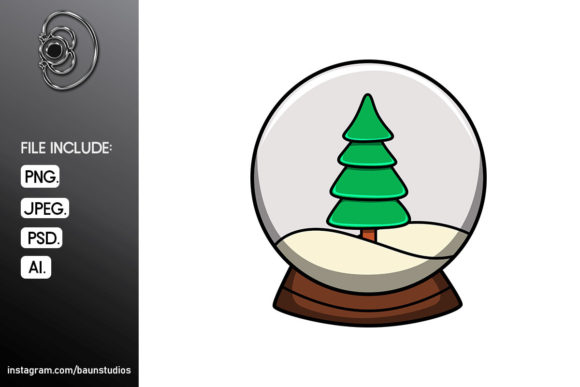
Reviewing Christmas Crystal Ball Cartoon for Holiday Stitching
As a designer who spends more time staring at stitch maps than most people spend watching television, I approach every new machine embroidery design with a mix of excitement and skepticism. We've all been there: a file looks adorable on the screen in that glossy digital preview, but once it hits the hoop, the reality can be quite different. Today, I'm taking a close look at the Christmas Crystal Ball Cartoon. This isn't just a quick glance; this is a deep dive into how this specific illustration holds up when you are trying to create a tangible, sellable, or giftable product.
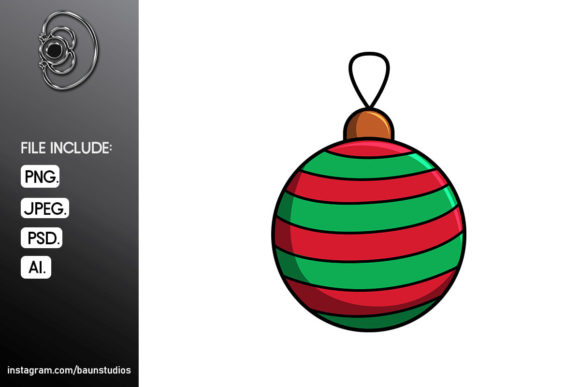
The first thing that strikes me about the Christmas Crystal Ball Cartoon is its mood. It captures that whimsical, nostalgic feeling of the holidays without leaning too hard into the overly traditional or stiff aesthetics we sometimes see in older digitizations. The layout feels balanced, with a clear focal point that draws the eye immediately to the center of the sphere. For those of us working in the Illustrations category, finding a design that maintains its cartoonish charm while remaining technically sound for stitching is often a challenge. This design seems to bridge that gap effectively, offering a visual personality that feels friendly and inviting.
Real-World Application: The Holiday Tote Scenario
To truly evaluate this embroidery project, I imagined a specific real-life scenario that many of you face every December. Picture a small shop owner or an Etsy seller preparing a run of custom canvas tote bags for a local craft fair. The goal is to create a handmade product that feels premium but festive. You need something that pops against the natural beige of the canvas but doesn't get lost in the weave of the fabric.
In this context, the Christmas Crystal Ball Cartoon shines. Its lines appear clean enough to stand out on a textured surface like canvas or heavy cotton. If I were stitching this onto a tote, I would likely position it slightly off-center for a modern boutique look. The design's scale seems versatile enough to work as a primary graphic on a bag without overwhelming the material. Customers browsing a holiday market are drawn to items that tell a story, and a crystal ball implies magic and prediction—perfect themes for end-of-year gifting. The finished product would likely exude a sense of warmth, encouraging buyers to imagine it as part of their own holiday traditions.
Versatility Across Custom Apparel and Home Decor
Beyond tote bags, let's talk about custom apparel. Imagine this design embroidered on the chest of a heather grey sweatshirt. This is a staple item for any craft business during the winter months. The Christmas Crystal Ball Cartoon has a compact footprint that suits the limited real estate on a upper-chest logo placement perfectly. Unlike large, sprawling scenes that can distort on stretchy fleece, this illustration appears contained and stable.
For those making baby embroidery items, such as a onesie or a burp cloth, the cartoon style is inherently appropriate. Babies and young children respond well to bold, simple shapes, and this design avoids the tiny, fragile details that might pull out after a few wash cycles. However, if you are considering this for a cap or hat, proceed with caution. Curved surfaces require careful hooping and often a design that isn't too wide. While the crystal ball shape is round, you must ensure the width fits your specific cap frame before committing to a production run.
Home decor is another strong contender. A kitchen tea towel or a pillow cover featuring this holiday embroidery could elevate a standard linen item into a seasonal statement piece. The key here is contrast. On a white towel, you would need to select thread colors that offer high definition—perhaps deep blues and bright whites to mimic the glass and snow within the ball. On a dark navy pillow, metallic or lighter threads would make the "crystal" aspect glow, enhancing the magical feel of the design.
Technical Considerations and Fabric Challenges
Now, let's get into the nitty-gritty technicalities that separate a hobbyist from a professional. Every digital embroidery file has its quirks, and understanding them is crucial for a flawless finished product.
- Fabric Texture: As mentioned, this design works well on medium-to-heavy weight fabrics. On very thin or slippery silks, the density of the fill stitches might cause puckering. Always use a high-quality cut-away stabilizer for these delicate materials to support the structure of the crystal ball.
- Stitch Density: Cartoon styles often rely on solid blocks of color. If the stitch density is too high, the thread can build up and create a stiff, cardboard-like feel. Before stitching a final client order, run a test on scrap fabric of the same weight. Check the back of the sample; if you see excessive threading or bird-nesting, you may need to adjust your machine tension or switch to a lighter weight top thread.
- Small Details: Inspect the edges of the crystal ball in your preview software. Are there tiny running stitches defining the glass reflection? These can get lost on looped towels or fuzzy fleece. If the detail is too fine for your chosen fabric, consider simplifying the color chart or skipping those specific trims.
- Hoop Size: Confirm the required hoop size before purchasing. While the design looks compact, ensure it fits within your smallest hoop if you plan on doing cuff embroidery on sleeves or small patches.
Enhancing Brand Value and Customer Trust
Why does the choice of design matter so much for your brand? Because consistency builds trust. When a customer buys a personalized gift from your small shop product line, they are buying your eye for quality. Using a well-digitized design like the Christmas Crystal Ball Cartoon signals professionalism. Sloppy stitching or a design that pulls apart after one wash damages your reputation instantly.
This particular design offers a level of polish that supports higher price points. It doesn't look like a freebie downloaded from a questionable forum; it has the intentionality of a paid asset. For commercial embroidery projects, this distinction is vital. Whether you are creating an embroidered patch for a uniform or a limited edition run of holiday aprons, the clarity of the stitches directly correlates to the perceived value of the item.
Final Designer Notes and Best Practices
Before you load this file into your machine, here is my practical checklist for ensuring success with the Christmas Crystal Ball Cartoon:
- Test First: Never skip the stitch-out test. Use scrap fabric that matches your final project material exactly.
- Color Contrast: Play with your thread chart. Sometimes swapping a standard red for a variegated holiday thread can add depth to the cartoon elements without changing the design file itself.
- Mockups: Create black and white mockups to check the value contrast. If the design looks muddy in grayscale, it might lack definition on dark fabrics.
- Licensing: Always verify the license terms. Just because you bought the embroidery file doesn't automatically mean you can resell the digital file itself. Most licenses allow you to sell the physical finished product, but double-check the specific rules for design assets to avoid legal issues.
- Washability: If this is for an item that will be frequently washed, like a baby bib or kitchen towel, ensure you lock off your threads securely and perhaps add a light overlay stitch to secure loose areas.
In conclusion, the Christmas Crystal Ball Cartoon is a robust choice for the upcoming season. It balances artistic charm with the technical requirements of machine embroidery. Whether you are decorating a sweatshirt, crafting a unique printable mockup for your online store, or making a special gift for a loved one, this design provides a solid foundation. With the right fabric choices and attention to stabilizer and tension, it can become a standout piece in your holiday collection. Happy stitching!