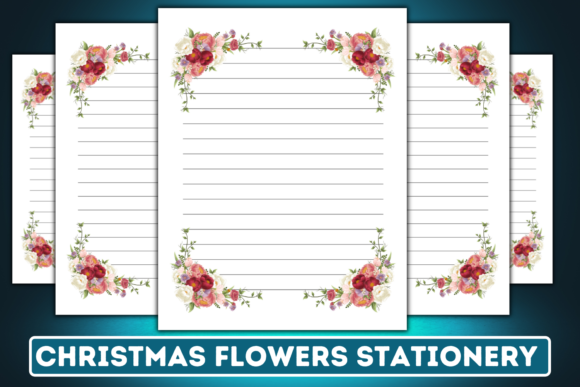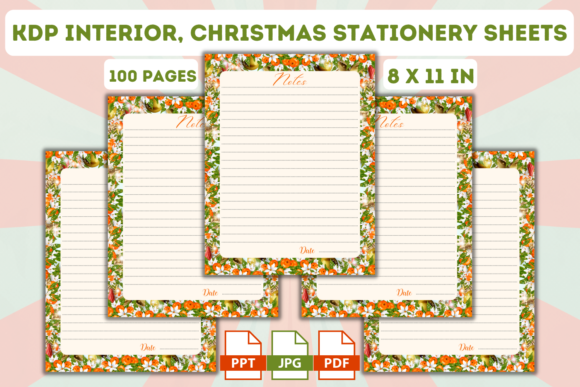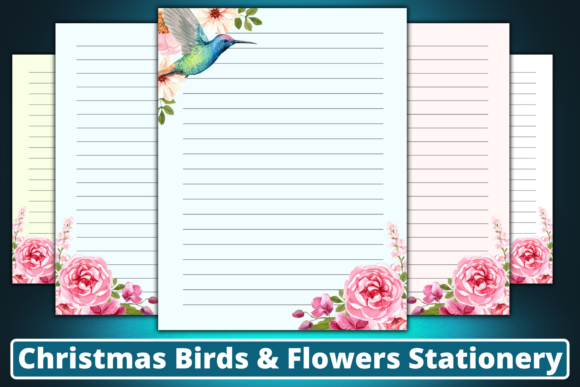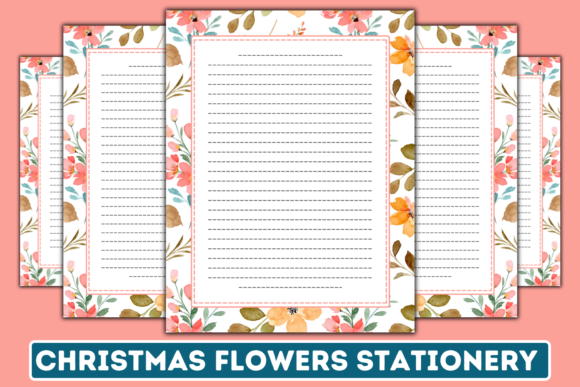
Review: KDP Interior Christmas Stationery Papers for Embroidery
As a designer who spends more time staring at stitch previews than actual holiday decorations, I approach every new machine embroidery design with a mix of curiosity and skepticism. When I first pulled up the files for KDP Interior Christmas Stationery Papers, my initial reaction wasn't about the digital crispness on the screen, but rather how these elements would translate into thread. There is a distinct difference between a printable graphic and a tactile embroidered patch or apparel decoration. This review breaks down how this specific collection performs when moved from the digital realm of Freebies into the physical reality of a craft business.
First Impressions: Mood and Visual Personality
The immediate vibe of KDP Interior Christmas Stationery Papers is nostalgic yet clean. Unlike some holiday assets that rely on overly complex, dense fills which can turn into a muddy mess on textured fabrics, these designs seem to prioritize clarity. The layout suggests a balance between traditional holiday motifs and modern minimalism. For an embroidery project, this is crucial. When you are working with satin stitch borders or delicate running stitch details, the negative space is just as important as the filled areas. The visual personality here feels suited for high-end boutique items rather than cheap novelty goods. It creates a mood of warmth without feeling cluttered, making it an excellent candidate for personalized gifts where subtlety sells.
Real-World Application: From Screen to Stitch
To truly test the viability of these designs, I imagined a specific scenario: preparing a custom order for a local boutique needing a limited run of holiday tote bag designs. The client wanted something festive but sophisticated enough to be used beyond December. Using elements from KDP Interior Christmas Stationery Papers, I visualized the stitching process on a heavy canvas tote. The design's structure appears robust enough to handle the pull of the thread on a sturdy fabric without distorting.
However, the real test comes with varied materials. If you are planning sweatshirt embroidery, the texture of the fleece can swallow fine details. In this case, the bolder components of the stationery papers would shine, while the finer lines might need adjustment in your digitizing software or a switch to a thicker thread weight. For baby embroidery projects, such as a onesie or a nursery blanket, the softer, less dense aspects of the design would be ideal to prevent scratchiness against sensitive skin. The versatility here allows a small shop product to range from rugged kitchen towels to delicate heirloom pieces, provided you adjust your technique accordingly.
Navigating Fabric Challenges and Hoop Constraints
While the aesthetic is strong, practical application requires caution. Not every element in KDP Interior Christmas Stationery Papers is ready for every surface out of the box. If you are working with stretchy fabrics like jersey knits for custom apparel, you must be vigilant about stitch density. High-density areas can cause the fabric to pucker, ruining the professional look of the finished product. Always pair these designs with the appropriate stabilizer; a cut-away stabilizer is often safer for garments that will see frequent washing, whereas tear-away might suffice for a decorative pillow cover that stays on the couch.
Another consideration is the hoop size. Some of the intricate layouts found in stationery collections can be wide or tall. Before committing to a cap or a curved surface, verify that the design fits within your machine's maximum hoop capacity without requiring excessive re-hooping, which risks alignment errors. Tiny lettering, often found in stationery sets, can also be problematic on dark fabrics if the thread contrast isn't perfect. I recommend testing the design in black and white mockups first to ensure the shapes remain recognizable even without color reliance.
Impact on Brand Value and Customer Perception
In the world of Etsy sellers and creative entrepreneurs, the perceived value of a handmade product often hinges on the quality of the decoration. Using a well-chosen design like KDP Interior Christmas Stationery Papers can elevate a simple item into a premium gift. Customers can instinctively tell the difference between a sloppy, pixelated transfer and a crisp, well-executed embroidery file. The clarity of the stitches builds trust. When a buyer sees clean edges and consistent thread colors, they associate that precision with the overall quality of your brand.
Furthermore, consistency is key for boutique branding. If you use these assets across a line of products—say, matching aprons, tea towels, and tote bags—you create a cohesive holiday collection. This recognition drives buyer engagement. A customer who loves the design on a mug cozy is more likely to return for the matching oven mitt if the design language remains consistent. The "giftability" factor is significantly enhanced when the embroidery looks intentional and polished, turning a standard retail item into a cherished keepsake.
Essential Notes for the Professional Designer
Before you launch this into your commercial embroidery workflow, here are a few non-negotiable steps I take with any new asset:
- Test on Scrap Fabric: Never run a new design on your final product first. Use scraps of the exact same fabric and stabilizer combination you plan to use for the production run.
- Check Thread Contrast: Ensure your chosen thread colors pop against the fabric texture. What looks good on screen might vanish on a heather grey sweatshirt.
- Inspect Small Details: Zoom in on the preview. Are there tiny isolated stitches that might snag? These often need manual editing in your embroidery software.
- Verify Licensing: Since this falls under Freebies or specific digital product categories, always confirm the license terms. Can you sell the finished physical item? Can you sell the digital file itself? Clarify this before listing on Etsy or at craft fairs.
- Evaluate Wash Durability: Consider the end user. If this is for a kitchen towel, the design must withstand high heat and agitation. Dense fill stitches hold up better than long running stitches in high-wear areas.
Ultimately, KDP Interior Christmas Stationery Papers offers a solid foundation for holiday creativity. It bridges the gap between digital convenience and tactile artistry. However, its success relies entirely on the skill of the maker. By respecting the limitations of fabric and thread, and by treating the design as a component of a larger physical object rather than just a graphic, you can create stunning, profitable, and memorable items. Whether you are a hobbyist making gifts for family or an Etsy seller scaling up for the holiday rush, the potential here is significant, provided you approach the stitching process with patience and precision.