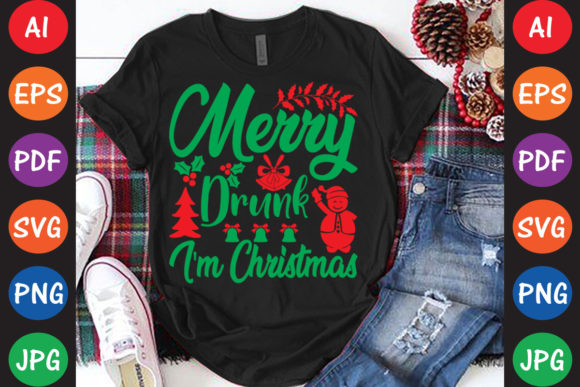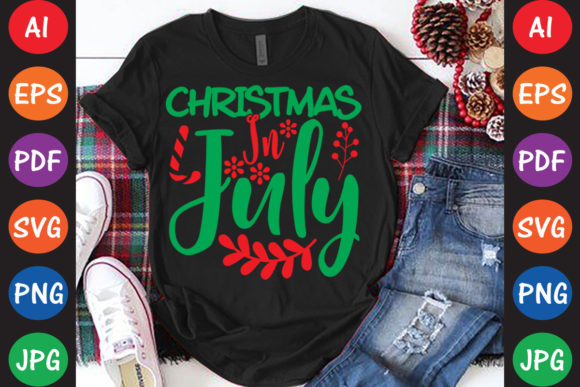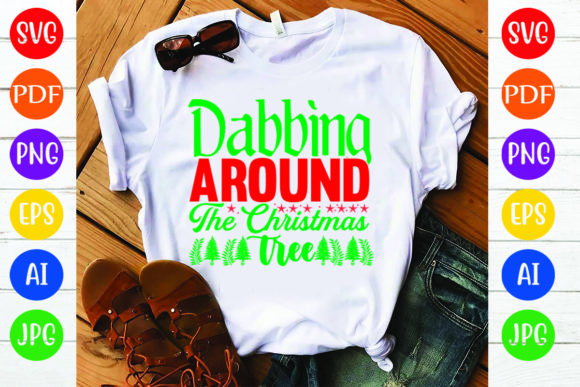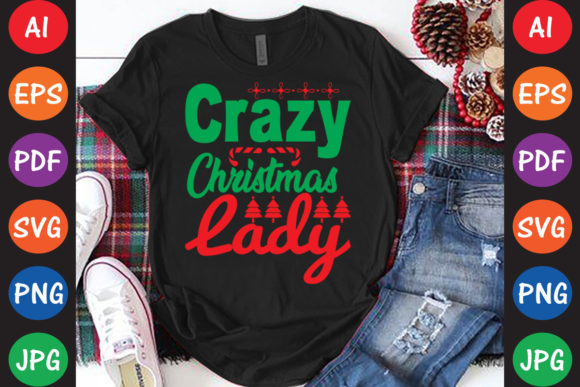
Christmas Sign: A Crafts Asset for Festive Blogs
As a digital publisher who has spent years curating visual assets for high-traffic editorial sites, I approach every new graphic design asset with a critical eye. It is not enough for an image to be pretty; it must perform. When I first opened the files for the Christmas Sign, my immediate reaction was one of relief. In the saturated market of holiday visuals, finding something that balances seasonal charm with professional polish is rare. This asset does not scream "clipart"; instead, it whispers "lifestyle brand." For bloggers and content creators preparing their Q4 strategy, this piece offers a sophisticated entry point into the holiday niche without sacrificing the clean aesthetic required for modern web design.
The editorial mood created by the Christmas Sign is distinctly warm yet structured. It avoids the chaotic clutter often found in seasonal Crafts categories, opting instead for a composition that supports strong visual hierarchy. This makes it an ideal candidate for websites that need to maintain reader trust while pivoting to festive content. Whether you are running a home decor blog, a DIY tutorial site, or an affiliate marketing hub focused on holiday gifts, this design signals to the reader that your content is curated and valuable. It feels both artistic and functional, bridging the gap between a decorative element and a core component of your brand identity.
Integrating the Asset into Your Publishing Workflow
In a real-world publishing scenario, versatility is king. The Christmas Sign shines when applied across a multi-channel content strategy. Imagine preparing your blog's featured images for the upcoming holiday season. Placing this graphic as a subtle overlay or a header accent can instantly unify your archive, giving readers a cohesive experience as they browse through recipes, gift guides, or decorating tips. It works exceptionally well as a website header background, provided you adjust the opacity to ensure text readability.
For those leveraging Pinterest as a primary traffic driver, this asset is a goldmine. Pinterest users respond to clear, vertical imagery that promises value. You can easily incorporate the Christmas Sign into a Pinterest pin template, using it to frame your headline or anchor the bottom of the graphic. Because the design is clean, it allows your typography to take center stage, which is crucial for click-through rates. Similarly, for newsletter creators, this graphic serves as a perfect banner to announce holiday sales or new blog posts, adding a festive touch to the inbox without looking spammy.
Beyond standard blog posts, consider the potential for digital products. If you sell digital guides, worksheets, or eBook covers, incorporating this sign can elevate the perceived value of your lead magnet. It suggests attention to detail and a premium feel. For affiliate marketers, using this asset in comparison charts or "Best of" lists can make the content feel more like an editorial feature and less like a sales pitch, thereby increasing conversion potential. It is also ripe for integration into a Canva template that you might offer as a freebie to grow your email list, showcasing your ability to provide high-quality printable design resources.
Enhancing Content Performance and Reader Trust
The impact of a well-chosen design asset extends beyond aesthetics; it directly influences content performance. A strong first impression is vital in the few seconds a visitor spends deciding whether to stay on your page. The Christmas Sign contributes to a professional-looking content page that fosters immediate credibility. When your blog graphics look consistent and high-quality, readers subconsciously associate that quality with your written content. This consistency builds brand identity, making your site recognizable even in a crowded social media feed.
Furthermore, this asset supports better category recognition. If you use variations of this sign across all your holiday-themed posts, readers will quickly learn to associate the visual cue with your seasonal content. This mental shortcut improves navigation and keeps users engaged longer. In the realm of content marketing, these subtle cues are what separate amateur blogs from authoritative publications. The design helps create a stronger visual identity, ensuring that your holiday campaign feels intentional rather than an afterthought.
Strategic Placement and Usage Constraints
While the Christmas Sign is versatile, strategic placement is key to maximizing its effectiveness. It works best as a hero image on landing pages, a focal point in article thumbnails, or an editorial accent in long-form guides. It is particularly effective in downloadable resources where the visual presentation reflects the quality of the information inside. However, there are scenarios where caution is advised. On small mobile thumbnails, intricate details might get lost, so ensure the scale is appropriate. Avoid using it on text-heavy blog images where it might compete with your headline for attention.
Additionally, consider the context of your niche. While perfect for lifestyle, food, and creative industries, this asset might feel too decorative for serious professional niches or corporate content that requires a strictly minimal visual system. Low-contrast backgrounds can also diminish its impact, so always test it against your specific site colors. If your layout is already busy, adding this element could create visual noise rather than clarity. The goal is enhancement, not distraction.
Practical Notes for Digital Publishers
Before deploying the Christmas Sign across your live site, adhere to a rigorous testing protocol. First, preview the asset on both desktop and mobile screens to ensure it scales gracefully. Check how it looks as a thumbnail in your RSS feed or social shares. Test it with various typography styles—pair it with a classic serif font for an elegant look, a bold sans serif for modernity, or a handwritten font for a personal touch. Always check contrast and readability, especially if you are placing text over the image.
From a technical standpoint, review the file size. Large images can slow down page load times, negatively affecting SEO and user experience. Compress images properly using tools like TinyPNG or Squoosh before uploading. If you plan to use this for a commercial design project, such as a paid course or a product sold on a creative marketplace, confirm the commercial license terms explicitly. Ensure you have the rights to use it on monetized websites, affiliate pages, or in paid content products. Finally, try viewing the image in black and white to understand its tonal range, which can be helpful for printing or specific stylistic choices.
In conclusion, the Christmas Sign is more than just a holiday decoration; it is a strategic tool for the modern publisher. By integrating this graphic design asset thoughtfully, you can enhance your editorial design, strengthen your small business branding, and deliver a polished experience that resonates with your audience. Whether used in a digital download or as a social media graphics staple, it offers the flexibility and quality needed to succeed in the competitive landscape of online content creation.